Loverly Monogram: The Playful Font for Vibrant Designs
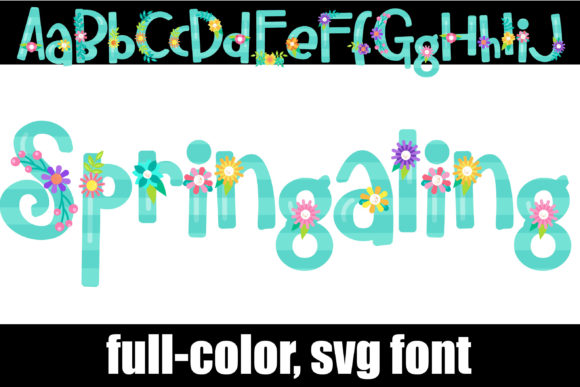
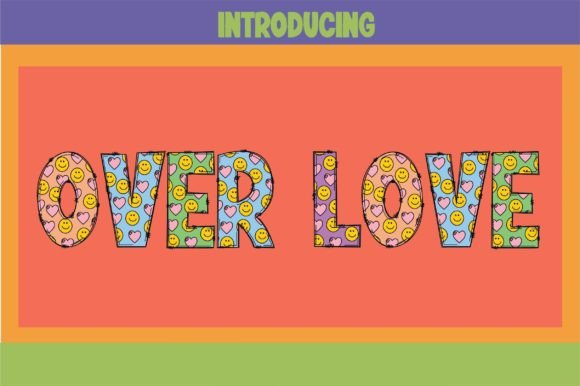
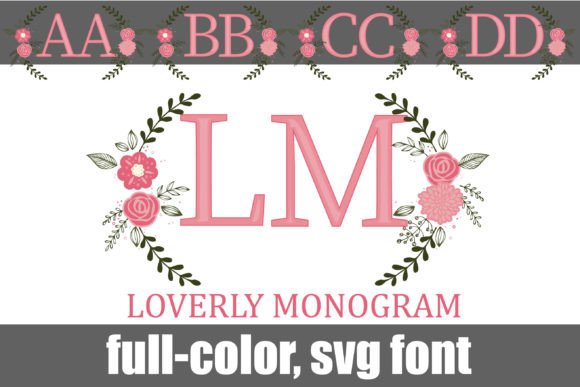
When a project calls for a splash of personality, a standard typeface often falls short. That's where a distinctive display font like Loverly Monogram enters the conversation. It’s not just a set of letters; it's a mood. Imagine a typeface that feels like a friendly conversation—warm, engaging, and impossible to ignore. The visual character of Loverly Monogram is built on lively, rounded letterforms. Each glyph carries a subtle bounce, and the integrated color palette—often in soft pastels or vibrant primaries—gives it an instant, joyful presence. This isn't a serif font for dense body text or a clean sans serif font for minimalist interfaces. It's a creative font designed for moments that need to feel fun, approachable, and a little bit playful.
Its style bridges the gap between a handwritten font and a structured script font. The letters connect with a natural flow, but they maintain enough individuality to remain clear. This balance is key. It avoids the sometimes illegible loops of cursive while still feeling personal and crafted. Think of it as the typographic equivalent of a handwritten note on a beautiful card. The overall appeal is one of authenticity and charm. For a brand identity aiming to connect on a human level—perhaps a boutique bakery, a lifestyle blog, or a children's educational product—this premium font can communicate warmth and trustworthiness in a single headline.
Where Loverly Monogram Truly Shines
Understanding a font's strengths is about knowing where to deploy it. Loverly Monogram isn't a workhorse for every situation, but in the right context, it's a powerful design asset. Its strengths lie in applications where impact and personality are paramount over extensive readability in long paragraphs.
For logo design, especially for small businesses, personal brands, or creative ventures, Loverly Monogram can form the cornerstone of a memorable mark. A coffee shop, a floral studio, or a craft supply store could use it to instantly convey a friendly, artisanal quality. In packaging design, it's perfect for product names, taglines, or special edition labels where shelf appeal is critical. The font's inherent vibrancy helps a product pop on a crowded shelf or in an online store thumbnail.
Across digital and print marketing, its applications are numerous. Consider using it for:
- Social media graphics: Instagram stories, quote cards, and promotional posts that need to stop the scroll.
- Website headers: Hero sections and call-to-action banners that set a welcoming tone.
- Editorial design: Feature article titles in magazines or blogs, especially in lifestyle, travel, or DIY niches.
- Event materials: Invitations, programs, and thank-you cards for weddings, baby showers, or community gatherings.
For content creators and bloggers, it's an excellent tool for creating consistent, branded templates for Pinterest pins or YouTube thumbnails. The key is to use it strategically, in places where its unique personality can be fully appreciated without competing with the main message.
Practical Guidance for Using This Creative Font
Choosing a font like Loverly Monogram is a design decision that should be made with purpose. Here’s how to approach it practically.
Evaluate Project Fit: Before you even download, ask: Does my project's tone align with "playful" and "vibrant"? A law firm's annual report is not the place. A summer music festival poster is. The font's personality must match the brand's voice. If your brand identity is built on seriousness and tradition, this will feel dissonant.
Master Font Pairing: This is crucial. A display font like Loverly Monogram demands a calm, readable partner for body text. Pair it with a neutral sans serif font (like Helvetica, Arial, or a geometric sans) or a clean serif font (like Garamond or Georgia). The contrast creates a clear visual hierarchy: Loverly Monogram grabs attention for headlines, while the paired font ensures the supporting text is easy to read. Never pair two loud, expressive fonts together—it creates visual chaos.
Review and Test: Don't just look at the preview letters. Examine the full character set. Does it include all the punctuation, numerals, and diacritical marks your project needs? Test it in context. Create a mockup of your logo, social post, or packaging. View it at small sizes—does it lose clarity? Check the spacing (kerning) between tricky letter pairs like "Ty" or "VA." Good modern typography is in the details.
Consider Readability and Licensing: Its primary role is for short bursts of text—headlines, titles, logos. Using it for paragraphs would quickly fatigue the reader. This is a fundamental aspect of its design. Finally, always verify the commercial font licensing. Ensure the license covers your intended use, whether for client work, merchandise, or digital products. Respecting the license protects you and supports the font designer's work.
In the end, Loverly Monogram is more than just a typeface; it's a tool for injecting a specific, positive emotion into your work. Used thoughtfully, it can elevate a design from merely functional to genuinely engaging, helping your project—or your client's brand—connect with its audience on a more human level. Its value lies in its ability to make a design feel intentionally crafted and full of life.