Lattice: The Color Font Redefining Creative Typography
There’s a moment in every design project when you realize the standard black-and-white text just isn’t cutting it. You need a typeface that doesn’t just sit on the page but leaps off it, carrying its own inherent vibrancy and depth. This is precisely where Lattice enters the conversation. It isn’t merely a set of characters; it is an incredibly cool color font that functions as a standalone design asset. If you are looking to inject personality into custom designs, DIY crafts, or digital branding without spending hours layering gradients and effects, Lattice is a game-changer. It offers that lovely, textured touch that usually requires advanced editing skills, but it arrives ready to type.
However, before you dive in, it is vital to understand the technology behind the magic. Lattice is an Opentype-SVG file. This means the font file itself contains high-resolution raster images or vector data within the glyph definitions, allowing for multi-colored, textured characters right out of the box. It is compatible with professional heavy-hitters like PhotoShop, Illustrator, Silhouette, and Inkscape. But, a crucial note for crafters: the OTF and/or TTF files of this product are not compatible with Cricut. If you are a Cricut user, please check our Ultimate Font Guide for more information on how to use this type of font and alternative workflows.
The Visual Impact of a Color Font
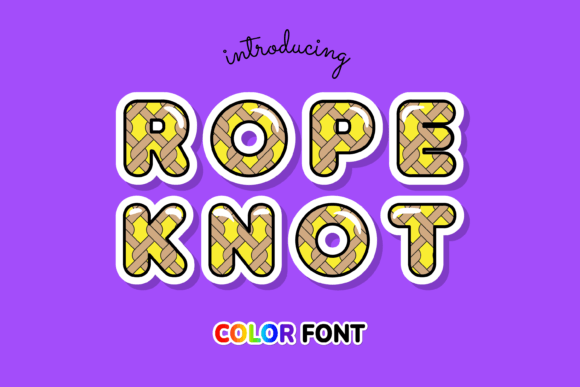
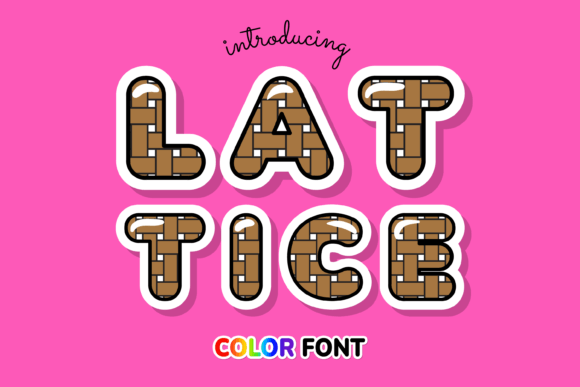
When you look at Lattice, the first thing you notice is the immediate visual hierarchy it creates. Unlike a standard serif font or sans serif font, Lattice carries its own atmosphere. It possesses a modern typography aesthetic that feels both organic and structured. The "color" aspect isn't just a gimmick; it allows the font to simulate materials like woven fabric, wood grain, or intricate mosaic tiles depending on the specific style included. This level of detail makes it a premium font choice for anyone serious about brand identity. It projects an image of creativity and attention to detail, signaling to your audience that you value the visual experience.
For brand perception, this is significant. A standard display font might catch the eye, but a color font like Lattice holds the gaze. It influences readability not by being difficult to read, but by forcing the reader to slow down and appreciate the texture. This makes it perfect for headlines, hero sections, and large typographic statements where the text is meant to be admired rather than scanned quickly for information. It strikes a balance between being a creative font and maintaining the professionalism required for commercial use.
Where Lattice Shines: Practical Applications
Finding the right context for a font like Lattice is key to maximizing its potential. Because it is a display font, it isn't designed for long-form body copy in a novel or a dense legal document. Instead, its strengths lie in high-impact areas.
- Logo Design & Brand Identity: If you are launching a boutique brand, a coffee shop, or an artisan product line, Lattice can serve as the foundation of your logotype. It provides instant character, eliminating the need for complex font pairing just to get a basic logo to look finished.
- Packaging Design: In a crowded marketplace, shelf appeal is everything. Using Lattice on product packaging—whether it’s a label for a jam jar or a box for cosmetics—adds a tactile quality that flat colors cannot match.
- Social Media Graphics: The algorithm favors engagement, and visuals drive engagement. A quote card or announcement using Lattice stands out in a feed dominated by standard system fonts. It adds a layer of professionalism that content creators and marketers need to stop the scroll.
- Editorial Design: For publishers and bloggers, Lattice works beautifully for drop caps, pull quotes, or magazine covers. It adds a stylistic flair that elevates the editorial design from standard to high-end.
Even for DIY crafts, while you cannot cut the colors separately with a Cricut using the standard file, you can use the font to create "Print then Cut" projects. You can print the vibrant Lattice font onto sticker paper, cardstock, or transfer sheets and then cut around the design, preserving the beautiful color gradient and texture.
Mastering Font Pairing and Visual Hierarchy
One of the most common mistakes with premium fonts is overuse. Because Lattice is visually dense and rich, pairing it correctly is essential for visual hierarchy. If you use Lattice for your headline, your sub-headline and body text need to breathe.
I recommend pairing Lattice with a clean, geometric sans serif font. The simplicity of a sans serif acts as a neutral canvas, allowing the intricate details of Lattice to pop without the design feeling cluttered. Avoid pairing it with a busy script font or a highly decorative handwritten font, as this will create visual noise and hurt readability. The goal is contrast: the complexity of the color font against the minimalism of the supporting text.
Furthermore, consider the color palette of your surrounding design. Since Lattice has its own built-in colors, ensure your background and supporting elements don't clash. Usually, a clean white, soft cream, or dark charcoal background allows the Opentype-SVG colors to remain true and vibrant.
Technical Considerations and Workflow
Adopting a color font requires a slight shift in your design workflow. As mentioned, Lattice is supported by major software like PhotoShop and Illustrator. However, it is always best practice to test the font early in your process. Install the OTF or TTF files and type out your specific copy to see how the letterforms connect and how the texture holds up at different sizes.
Keep in mind that because these files contain image data, they are larger than standard fonts. This shouldn't impact your computer's performance significantly, but it is worth noting. For commercial font licensing, always review the terms included with your purchase to ensure your specific use case—whether it's for a client logo or merchandise for sale—is covered.
Ultimately, Lattice is more than just a typeface; it is a design shortcut to a polished, professional look. It bridges the gap between typography and illustration, offering a unique tool for designers, entrepreneurs, and crafters alike. If you are ready to move beyond flat text and explore the world of modern typography, Lattice is a fantastic place to start. Just remember the compatibility notes, plan your pairings, and let this font do the heavy lifting for your next visual project.