Hemp: A Cool, Creative Font for Modern Weed-Inspired Designs
Understanding the Visual Personality of Hemp
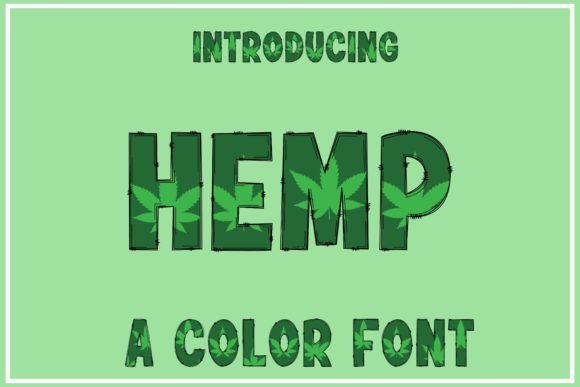
If you've spent any time scrolling through modern design platforms, you've likely noticed a distinct shift. The overly polished, sterile sans serif fonts that dominated for a decade are making room for something with more character, more texture, and more soul. Enter the Hemp font. At first glance, it's a cool color font, but that description only scratches the surface. It's a typeface built for a specific vibe—one that feels organic, relaxed, and unmistakably connected to a certain creative subculture. Think of it as a visual shorthand for a lifestyle that values authenticity, nature, and a touch of rebellion.
The Hemp typeface doesn't shout; it speaks with a confident, laid-back tone. Its letterforms often carry subtle imperfections, a slight roughness that mimics natural fibers or hand-painted strokes. This isn't a serif font with traditional elegance, nor is it a clean sans serif font for corporate clarity. It sits in a unique space, often blending traits of a handwritten font with a modern, almost urban edge. The overall appeal is raw and real. It feels like it was made for projects that need to connect on a human level, avoiding the cold distance of more conventional modern typography. Its personality is approachable, creative, and unapologetically itself.
Where Hemp Truly Shines: Practical Applications
Knowing a font looks cool is one thing. Understanding where to deploy it for maximum impact is the real skill. Hemp excels in projects where brand perception leans toward the natural, artisanal, or countercultural. It’s a fantastic creative font for apparel designs—think t-shirt graphics, hoodie prints, and hat embroidery where you want the text to feel like part of the garment's story, not just a label slapped on top. For homeware designs, it works beautifully on items like ceramic mugs, tote bags, or candle labels, adding a touch of handmade authenticity that mass-produced goods lack.
In the realm of branding materials, Hemp can be a strategic choice for businesses in the wellness, CBD, outdoor, or sustainable goods spaces. It helps build a brand identity that feels grounded and trustworthy. Use it for logo design to create a mark that’s instantly memorable and full of personality. For packaging design, it can make a product stand out on a shelf crowded with sterile, minimalist boxes. It tells a story before the customer even reads the copy. Publishers and bloggers in related niches might use it for editorial design elements—chapter headings, pull quotes, or cover titles for books and zines that target a specific, discerning audience.
Digital and Print Considerations
Its application extends confidently into the digital sphere. As a display font, Hemp is perfect for web design headers, hero section titles, and call-to-action buttons where you need to grab attention and set a mood. It’s equally effective for social media graphics, creating posts, stories, and ads that feel authentic and stop the scroll. However, a crucial note on readability: because of its textured, stylistic nature, Hemp is generally not suited for long blocks of body text. Its strength lies in headlines, logos, and short, impactful phrases. For body copy, pair it with a highly legible sans serif font or a simple serif font to ensure your message is clear.
Making Hemp Work for Your Project: A Practical Guide
Choosing the right typeface is a decision that influences visual hierarchy, audience engagement, and overall professionalism. So, how do you evaluate if Hemp is the right design asset for you? Start by defining your project's core personality. If it needs to feel corporate, sterile, or ultra-luxurious, Hemp likely isn't the fit. But if the goal is to convey creativity, nature, craftsmanship, or a relaxed, authentic vibe, it should be on your shortlist.
Next, consider your audience. Hemp resonates strongly with adults in the 20–50 demographic who value authenticity and design with character. It speaks to designers, entrepreneurs, and content creators who are building brands that stand for something. When you use it, you're making a statement that aligns your project with a specific aesthetic and set of values. This can dramatically improve audience engagement with the right crowd.
Testing and Pairing for Professional Results
Never choose a font in isolation. Always test Hemp in the context of your entire design. Create mockups. How does it look on a dark background versus a light one? How does it interact with your imagery? One of the most important steps is mastering font pairing. The textured, expressive nature of Hemp demands a calm, stable partner. A classic pairing strategy is to combine a display font like Hemp with a neutral sans serif font for supporting text. Think Hemp for a headline paired with a font like Open Sans or Lato for descriptions. This creates a clear visual hierarchy where the personality of Hemp shines without overwhelming the reader.
Before purchasing any premium font, review its full character set. Does it include the ligatures, alternates, or swashes you need? Check the licensing. A commercial font license is essential for any business use, whether it's on products for sale, client work, or monetized content. Reputable foundries will provide clear licensing terms. Finally, test its performance. Load it on a webpage to check rendering, or print a sample to see how the texture translates to physical media. This due diligence ensures that Hemp becomes a powerful, reliable tool in your creative toolkit, elevating your work and solidifying your brand identity with undeniable style.