Frisia: A Playful Script Color Font with Vintage Charm
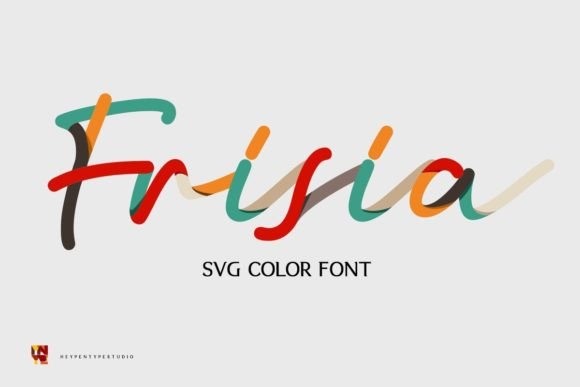
When you're working on a project that needs personality, a standard typeface often falls short. You need something with character, something that feels alive and handmade. This is where Frisia enters the picture. It’s a playful script color font built with a fresh vintage color palette, designed to bring a vibrant, joyful feel to creative projects. Instead of a single, flat color, Frisia arrives with multiple hues baked directly into its letterforms, offering a unique look right out of the box.
The Visual Personality of Frisia
Frisia isn’t just another script font. Its personality is a blend of casual handwriting and thoughtful design. The letterforms have a natural, flowing rhythm, mimicking the slight irregularities and connections of real penmanship. This gives it an approachable, human touch that feels authentic rather than mechanical. The vintage color palette is its standout feature. Think of the warm, slightly muted tones you might find on a retro postcard or a mid-century advertisement. These colors are integrated into the font using Opentype-SVG technology, allowing each letter to contain multiple colors and subtle texture, creating a depth you can't achieve with a standard font.
The overall appeal of Frisia is its ability to be both playful and sophisticated. It’s not childish or overly whimsical. Instead, it carries a sense of nostalgia and warmth, making it versatile for projects targeting adults. The style feels curated, as if a designer carefully selected each color to work in harmony. This makes it an excellent display font for headlines, logos, and short bursts of text where visual impact is paramount. It’s a creative font that immediately sets a project apart from the crowd of standard sans serif fonts and predictable serif fonts.
Where Frisia Truly Shines: Practical Applications
Understanding a font's strengths helps you use it effectively. Frisia’s vibrant, handmade character makes it a natural fit for specific types of projects. Its value isn't in setting long paragraphs of body copy, but in creating memorable focal points.
Branding and Logo Design
For small businesses, especially those in lifestyle, artisanal food, boutique retail, or personal coaching, a logo needs to feel human and relatable. Frisia can form the core of a logo design for a brand that wants to project creativity, warmth, and a personal touch. Imagine it on a coffee shop chalkboard menu, a boutique’s shopping bag, or the header of a wellness blog. It helps build a brand identity that feels approachable and unique. When paired with a clean, neutral sans serif font for body text, Frisia creates a beautiful contrast that enhances visual hierarchy.
Digital Content and Social Media
In the fast-scrolling world of social media, grabbing attention is everything. Frisia is perfect for social media graphics. Use it for Instagram quote posts, Pinterest pins, or YouTube video thumbnails. Its color and texture stand out in a feed, increasing audience engagement. For web design, it can be used strategically for hero section headlines or call-to-action buttons where a pop of personality is needed. Remember, since it’s an Opentype-SVG font, ensure your platform supports it for the full color effect.
Print, Packaging, and Merchandise
Where Frisia really excels is in print. Its vintage colors reproduce beautifully on physical materials. Consider it for packaging design for handmade goods, labels for artisanal products, or thank-you cards for e-commerce orders. It’s also ideal for merchandise like tote bags, mugs, or posters. The font’s playful script style adds a personal, crafted feel that generic fonts lack. For school projects, event posters, or crafting projects, Frisia provides a ready-made, professional color scheme that saves design time.
Using Frisia Effectively in Your Workflow
Choosing the right font is only half the battle; using it well is the other. Here’s some practical guidance for integrating Frisia into your projects.
Evaluating Project Fit and Readability
First, assess if Frisia’s style aligns with your project’s tone. It works best for projects aiming for a vibrant, joyful, or retro-inspired feel. It might not be the best choice for a formal corporate report or a minimalist tech startup’s website. Always consider readability. As a script font, Frisia is best used for headlines, logos, and short phrases. Avoid setting it in small sizes or for lengthy sentences, as the intricate details can become hard to read. Test it at the intended size to ensure clarity.
Mastering Font Pairings and Hierarchy
A strong font pairing creates balance. Frisia’s playful nature means it pairs beautifully with more neutral, structured typefaces. Try combining it with a simple geometric sans serif font for body copy, or a classic, clean serif font for a slightly more traditional contrast. Use Frisia for your main headline or key phrase, and let the secondary font handle the supporting text. This establishes a clear visual hierarchy, guiding the viewer’s eye exactly where you want it to go.
Technical Considerations and Licensing
As a premium font using Opentype-SVG technology, Frisia has specific compatibility requirements. It works seamlessly in applications like Adobe Photoshop, Adobe Illustrator, Silhouette Studio, and Inkscape. However, the OTF and TTF files are not compatible with Cricut Design Space. If you use Cricut, this is a critical limitation to note. Always check the product’s documentation or the Ultimate Font Guide for detailed setup instructions. For commercial use, verify the licensing terms included with your purchase to ensure it covers your specific project, whether it’s for client work, merchandise for sale, or digital products.
Testing and Final Thoughts
Before finalizing, print a test sheet or view it at 100% zoom on screen. Check how the colors render and ensure the text is legible in your chosen context. Frisia is a powerful design asset that can elevate a project from ordinary to extraordinary. Its strength lies in its ability to inject color, personality, and a sense of crafted joy directly into your typography. Used thoughtfully, it becomes more than just a font—it becomes a key part of your project’s story.