Exploring the Bold Aesthetic of Japanese Frame
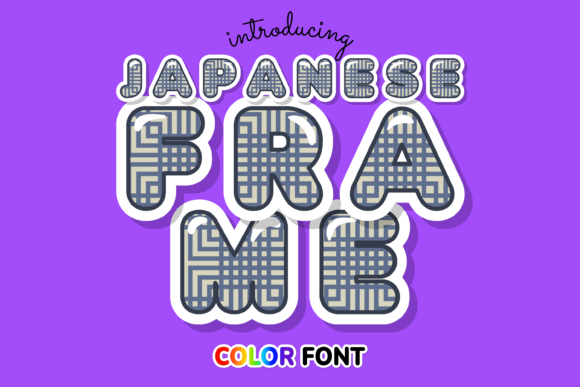
In the world of digital design, finding a typeface that truly captures attention without relying on gimmicks is rare. Japanese Frame is one of those rare finds. It isn't just a font; it is a visual statement. As a color font—specifically utilizing OpenType-SVG technology—it brings a level of depth and texture that traditional vector fonts simply cannot match. Imagine typography that has the nuance of a photograph but the scalability of a vector. That is the core appeal of this typeface. It mimics the intricate, often hand-crafted look of traditional Japanese framing elements, merging cultural aesthetics with modern digital utility.
For designers, entrepreneurs, and content creators, the struggle is often finding assets that feel authentic. We are all tired of the same geometric sans-serifs and overused scripts. Japanese Frame offers a breath of fresh air. It provides a "lovely touch" to projects, making it an incredibly cool choice for anyone looking to inject personality into their work. Whether you are a small business owner looking to revamp your packaging or a blogger seeking a distinctive header, this font bridges the gap between artistic flair and professional application.
Visual Characteristics and Design Personality
When you first look at Japanese Frame, the immediate takeaway is its rich detail. Unlike a standard serif font or sans serif font, this typeface contains embedded bitmap data that renders colors and gradients directly within the characters. This allows for a display font experience that feels almost three-dimensional. The "frame" aspect implies structure and containment, making it perfect for designs where text needs to act as a central visual anchor rather than just a body of information.
The personality of this font is bold, artistic, and somewhat eclectic. It fits perfectly into the current trend of modern typography where imperfection and texture are celebrated. It doesn't just sit on the page; it demands interaction. This makes it a fantastic creative font for projects that need to convey emotion or craftsmanship. It works exceptionally well as a display font for headlines, posters, and hero images where you have the space to let the intricate details of the letterforms breathe.
Practical Applications for Creators and Brands
Understanding where to deploy Japanese Frame is key to maximizing its impact. Because it is a premium font with complex visual data, it shines brightest in specific contexts.
- Logo Design and Brand Identity: If you are building a brand that values craftsmanship, artistry, or a distinct cultural aesthetic, Japanese Frame can be the cornerstone of your logo design. It helps in creating a brand identity that is instantly recognizable and difficult to replicate with standard tools.
- Packaging Design: For small business owners selling physical goods, packaging is the first point of contact. This font excels in packaging design, particularly for boutique items, artisanal goods, or products that want to evoke a sense of luxury and care.
- Digital and Social Media: In the fast-scrolling world of Instagram or Pinterest, you have milliseconds to grab attention. Using Japanese Frame for social media graphics ensures your posts stand out. It is perfect for quote cards, announcement headers, or story backgrounds.
- Editorial and Publishing: While not suited for long-form body text, it is a powerhouse for editorial design. Think magazine covers, chapter headings, or pull quotes that need to carry the visual weight of the layout.
For those in the DIY community, specifically users of Adobe Photoshop or Illustrator, this font is a game-changer for custom designs. However, it is vital to note the compatibility requirements. As an OpenType-SVG file, it works seamlessly with professional design software. If you are using Silhouette or Inkscape, you can also utilize its features to create stunning crafts.
Navigating Font Pairings and Readability
One of the most common questions regarding highly stylized fonts like Japanese Frame is how to pair them. Because this typeface is so visually dense, it rarely plays well with other decorative fonts. Attempting to pair it with a handwritten font or a complex script font can result in a cluttered, illegible mess.
The best strategy for font pairing is contrast. You want the complexity of Japanese Frame to be balanced by the simplicity of its partner.
- Pair with a Neutral Sans-Serif: A clean, geometric sans serif font works best. Fonts like Montserrat, Open Sans, or Roboto provide the breathing room necessary for Japanese Frame to pop. Use the sans-serif for body copy and the Japanese Frame for headers.
- Use for Emphasis, Not Volume: Treat this font like a spice. A little goes a long way. It is excellent for the first few words of a headline or a single call-to-action button, but it should not be used for an entire paragraph. Overuse can fatigue the reader's eye.
- Color Considerations: Since this is a color font, the background color of your design matters immensely. High contrast is your friend. Ensure the background doesn't clash with the embedded colors of the font. Usually, a clean white, black, or a muted solid color allows the font's internal colors to shine.
Technical Specifications and Licensing
Before integrating Japanese Frame into your workflow, you must evaluate the technical fit. This is a commercial font, meaning it is designed for professional use, but the specific nature of OpenType-SVG technology requires a modern software environment.
Compatibility Check:
- Works With: Adobe Photoshop (CC 2017+), Adobe Illustrator (CC 2018+), and other modern OpenType-SVG aware apps.
- Cricut Users: It is crucial to understand that OTF and TTF versions of this specific product are not compatible with Cricut Design Space. Cricut does not support the SVG data required to render the colors and textures. If you are a Cricut user, you may need to rasterize the text in a program like Photoshop first, turning it into a flattened image to print.
- Silhouette and Inkscape: This font is compatible with these programs, making it accessible for a wide range of crafters beyond the Adobe ecosystem.
When it comes to licensing, treat this as a professional design asset. Read the specific terms regarding commercial use. Most premium fonts allow for use in products for sale (like t-shirts or mugs) but may have restrictions on embedding in apps or software. Always verify that your intended use aligns with the license to protect your business.
Final Thoughts on Utilization
Japanese Frame is more than just a novelty; it is a versatile tool for the right project. It adds a layer of sophistication and artistic depth that is hard to achieve with standard typography. For the entrepreneur, it offers a way to differentiate products on a crowded shelf. For the designer, it provides a unique texture to solve visual problems.
The key to success with this font is respecting its intensity. Use it to create focal points, establish a mood, or define a high-end brand identity. By pairing it with simple companions and ensuring your software environment is ready to handle its advanced features, you can leverage Japanese Frame to create designs that are not only visually stunning but also strategically effective. It is a testament to how modern typography can evolve, blending the artistic heritage of the past with the digital capabilities of the future.