Arabic Arrow: Adding a Vibrant Edge to Your Design Toolkit
Finding a typeface that carries genuine personality without sacrificing utility is a constant challenge. We often settle for the standard serif font or a safe sans serif font for professional work, reserving the more expressive typefaces for one-off headlines. However, there is a specific category of creative font that bridges the gap between technical precision and artistic flair. Arabic Arrow is a premium font that commands attention immediately. It is not merely a collection of letters; it is a statement piece. As a display font, it brings an energetic, directional quality to the page, utilizing sharp angles and fluid movement to guide the viewer’s eye. It feels modern yet retains a classic sense of rhythm, making it a versatile asset for anyone looking to elevate their visual communication.
Understanding the Visual Impact
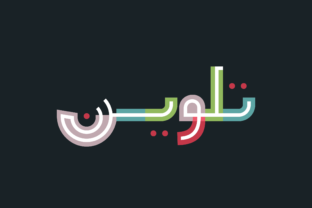
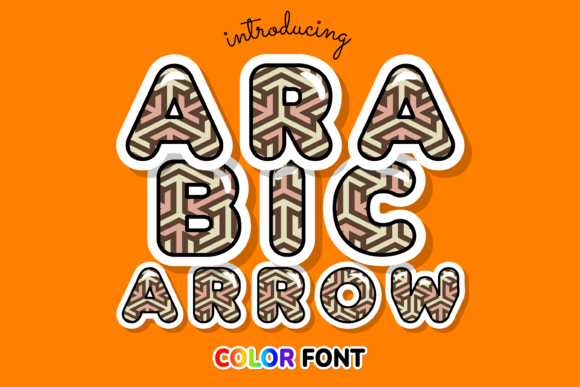
When you first install Arabic Arrow, you will notice it is an Opentype-SVG color font. This is a crucial distinction for modern designers. Unlike standard vector fonts that rely on a single color, this typeface includes color data within the file itself. This allows for rich, textured gradients and multi-tonal effects directly in your text box without needing to rasterize the layer or apply complex layer styles. The visual style of the font is inherently dynamic. It possesses a kinetic energy that suggests motion, making it an excellent choice for projects that need to convey speed, direction, or excitement. The personality of Arabic Arrow is bold and unapologetic, yet the curves of the letterforms ensure it remains legible and aesthetically pleasing. It avoids the jagged, aggressive look of some heavy metal or graffiti fonts, opting instead for a polished, high-end aesthetic that feels at home in both commercial and personal projects.
Practical Applications for Modern Creators
For the entrepreneur or marketer, the question is always: where does this fit? The strength of Arabic Arrow lies in its ability to function as a focal point. In brand identity design, consistency is key, but so is recognition. Using this font for your primary logo or hero images on a website can instantly set a brand apart from competitors using generic Google Fonts. It is particularly effective in packaging design. Imagine a product box on a crowded shelf; a standard script font might get lost, but the color gradient and sharp geometry of Arabic Arrow catch the light and the eye. For social media graphics, where you have roughly two seconds to stop a user from scrolling, the unique rendering of this font acts as a visual anchor. It works beautifully for sale announcements, podcast covers, and YouTube thumbnails. However, because it is a display font, it is best used for headlines, subheadings, and short call-to-action phrases rather than long-form body text.
Technical Compatibility and File Formats
One of the most common pitfalls in modern typography is purchasing a font only to find it incompatible with your primary software. It is vital to understand the technical specifications of Arabic Arrow before integrating it into your workflow. This product is delivered as an OTF (OpenType Font) and/or TTF (TrueType Font) file featuring SVG technology. It is fully compatible with professional design assets software, specifically Adobe Photoshop, Adobe Illustrator, Silhouette, and Inkscape.
However, there is a significant hardware limitation to note. Arabic Arrow is not compatible with Cricut machines. Because Cricut Design Space does not support the SVG data required for the color gradients, the font will not render correctly on that platform. If you are a crafter using a Silhouette, you are in luck, but Cricut users should look for standard vector versions of fonts for their cut files. For those working in web design or editorial design, the font renders beautifully in desktop publishing environments. If you are unsure how to activate these features, consulting an Ultimate Font Guide specific to color fonts is recommended, as the installation process for SVG fonts can differ slightly from standard system fonts.
Strategic Font Pairing and Hierarchy
No font exists in a vacuum. To maximize the utility of Arabic Arrow, you must consider font pairing. Because this typeface has a strong, high-energy personality, it requires a grounding partner. Pairing it with another expressive script font or a handwritten font will likely result in visual clutter and a chaotic layout. Instead, look for stability. A clean, geometric sans serif font makes an ideal companion. The neutrality of the sans serif allows the Arabic Arrow headlines to pop without competing for attention. For example, using a light-weight sans serif for your sub-headers and body copy creates a clear visual hierarchy. The eye is naturally drawn to the colorful, textured display font first, then flows easily into the supporting text. This balance is essential for maintaining readability and ensuring your message is communicated effectively. Whether you are designing a magazine spread or a digital brochure, this contrast between the expressive and the functional creates a professional, polished look.
Evaluating Fit and Licensing
Before finalizing your design, it is wise to test the font in context. Type out your specific headlines in Arabic Arrow to see how the letterforms interact. Some combinations of letters in display fonts can create awkward spacing, so always check your kerning. Furthermore, ensure you review the commercial licensing included with your purchase. Most premium fonts come with a license that covers both personal and commercial use, such as client work, merchandise, and digital products, but the specific terms can vary. Always verify that your intended use—be it a one-time event poster or a mass-produced t-shirt line—falls within the rights granted. By treating Arabic Arrow not just as a download but as a strategic business asset, you ensure that your designs are not only beautiful but also legally sound and technically robust.